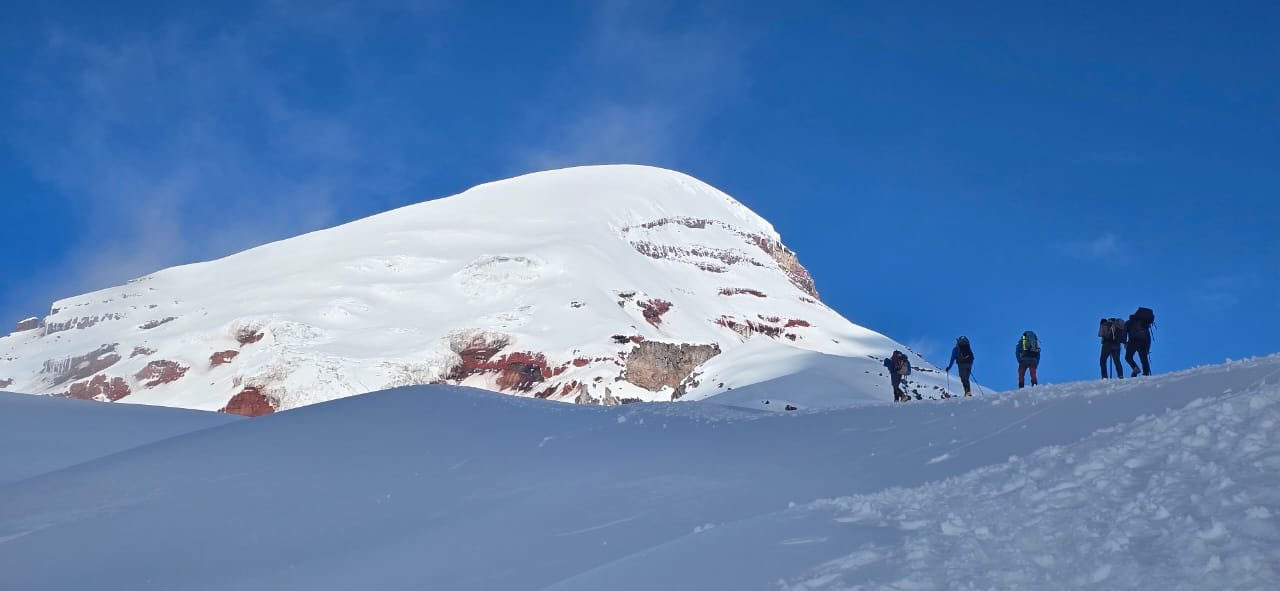
Cotopaxi and Chimborazo, rising to 5,897 meters and 6,310 meters respectively, are among the most iconic high altitude peaks in South America. This expedition is not just a climb, it is a journey to one of the most extreme and fascinating places on Earth.
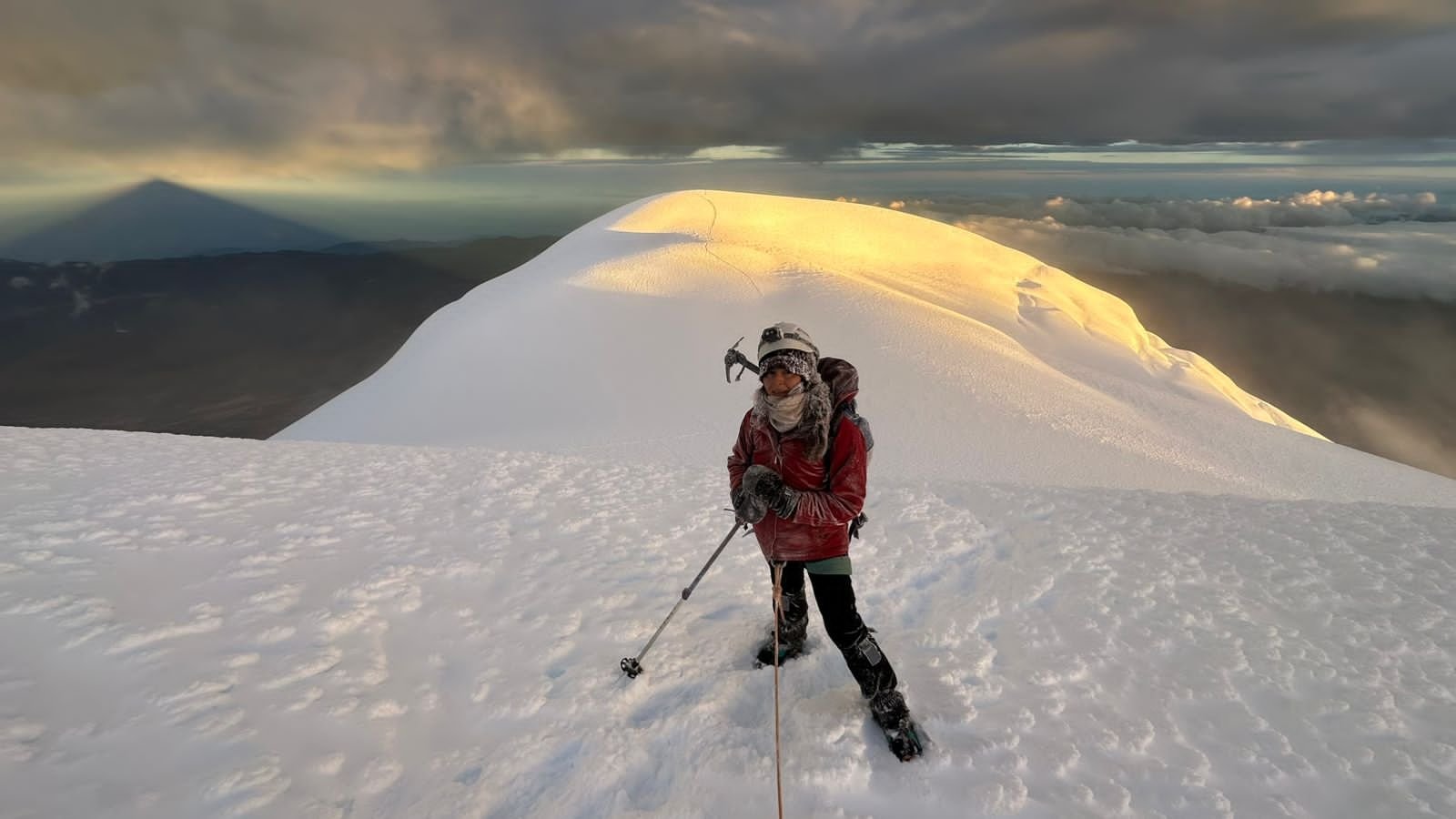
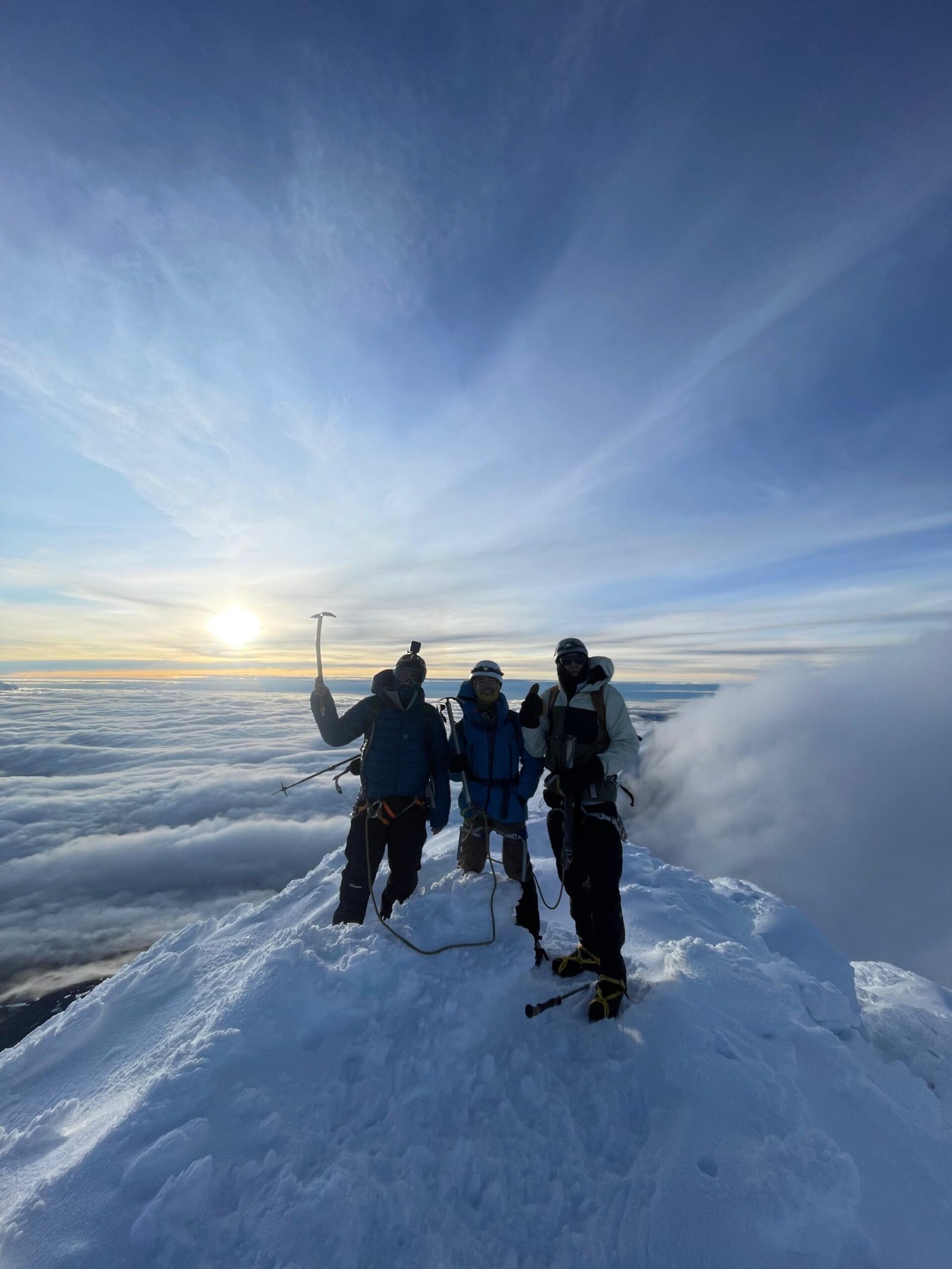
Chimborazo is known as the closest point on Earth to the sun, due to the planet’s equatorial bulge, making its summit farther from the Earth’s center than Mount Everest. Standing on this peak is a rare achievement that very few people in the world experience.
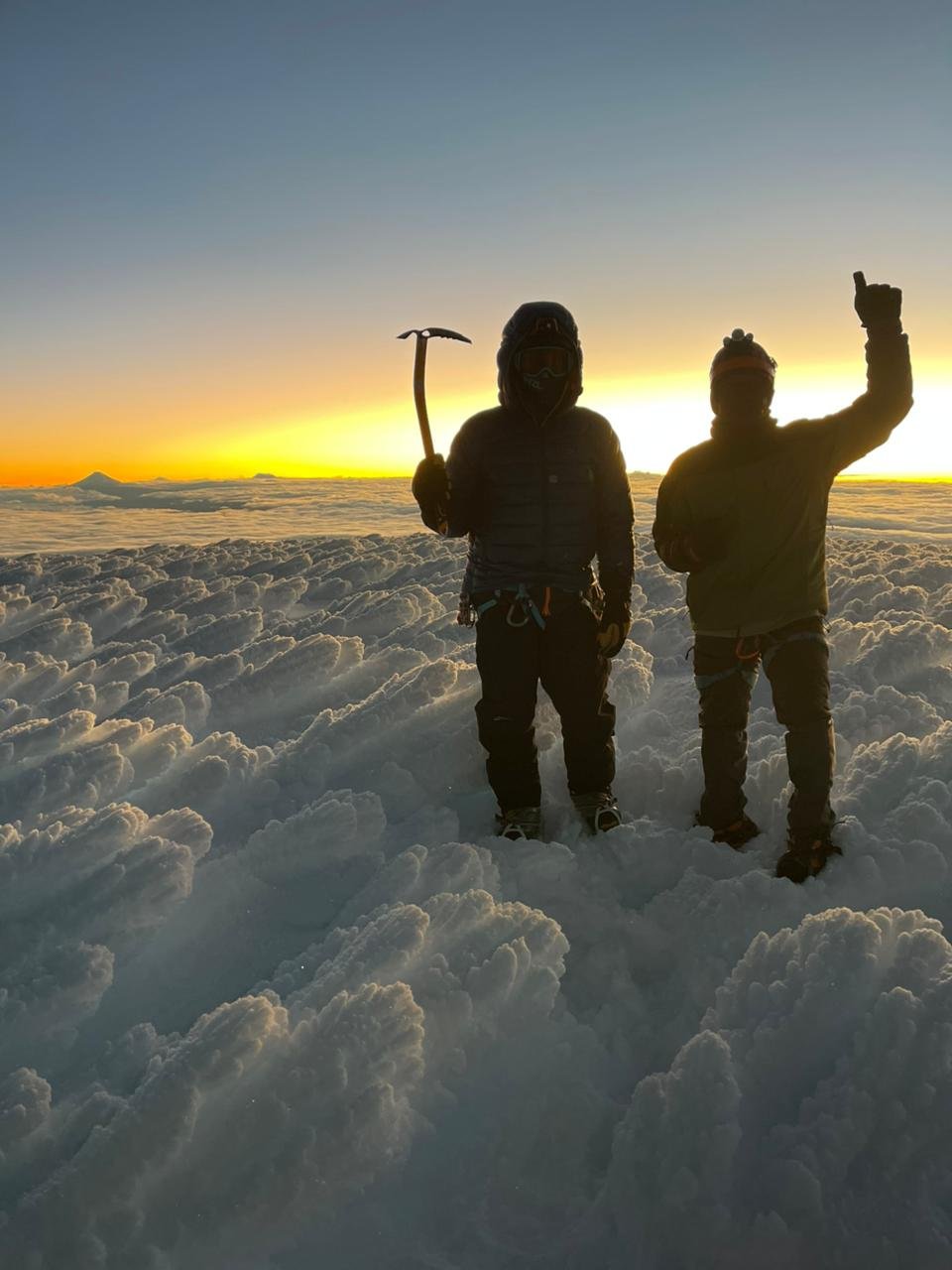
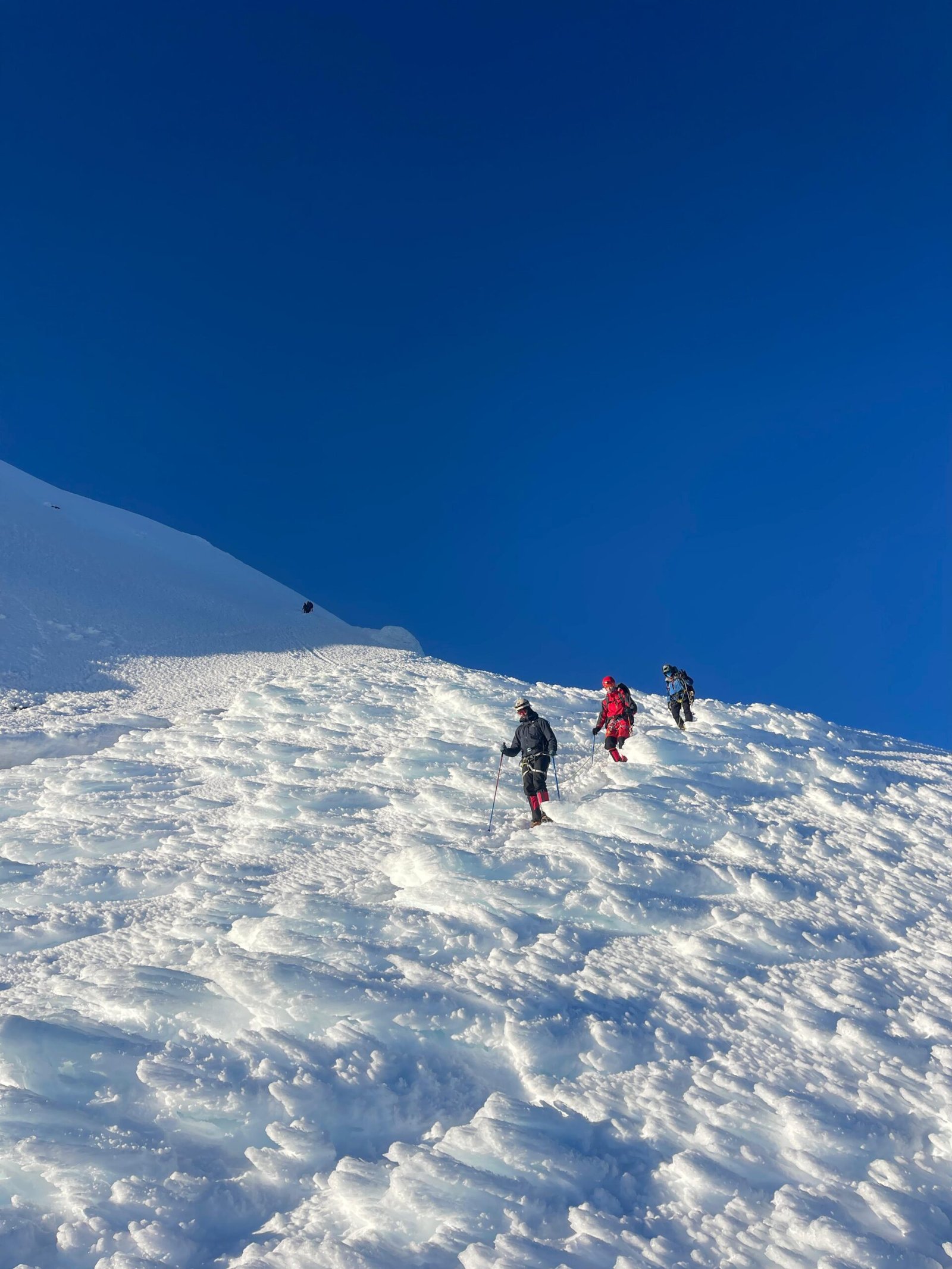
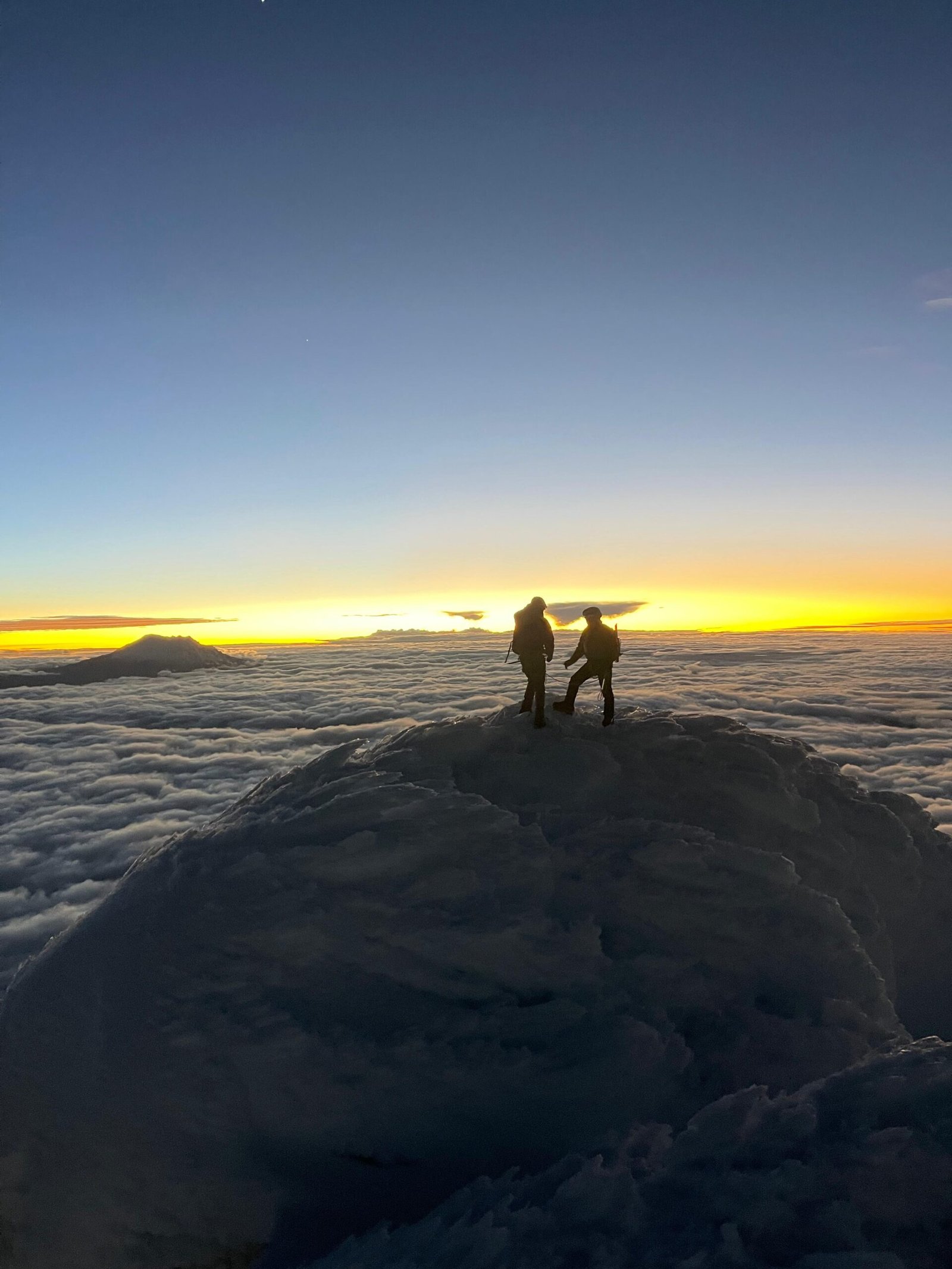
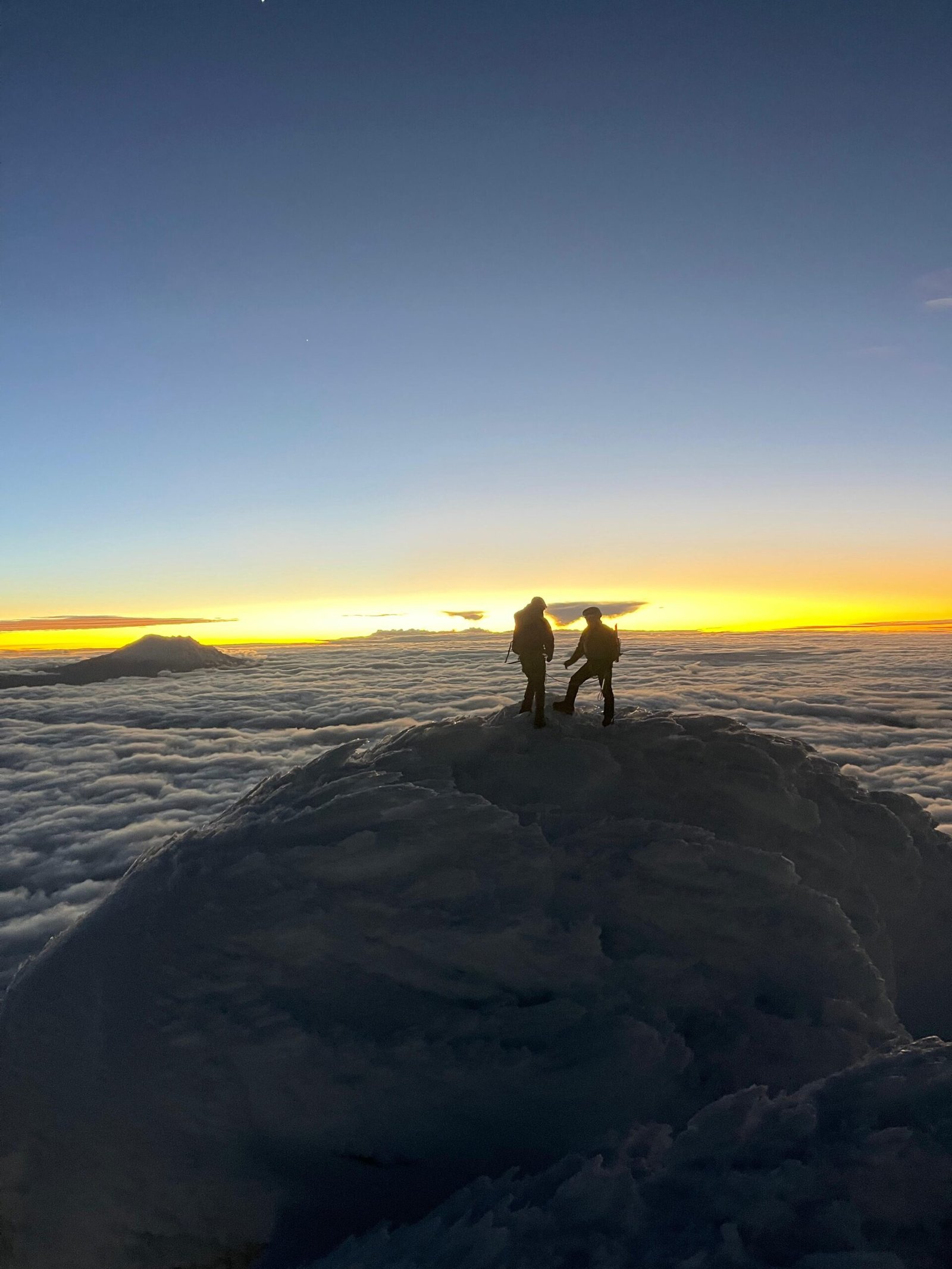
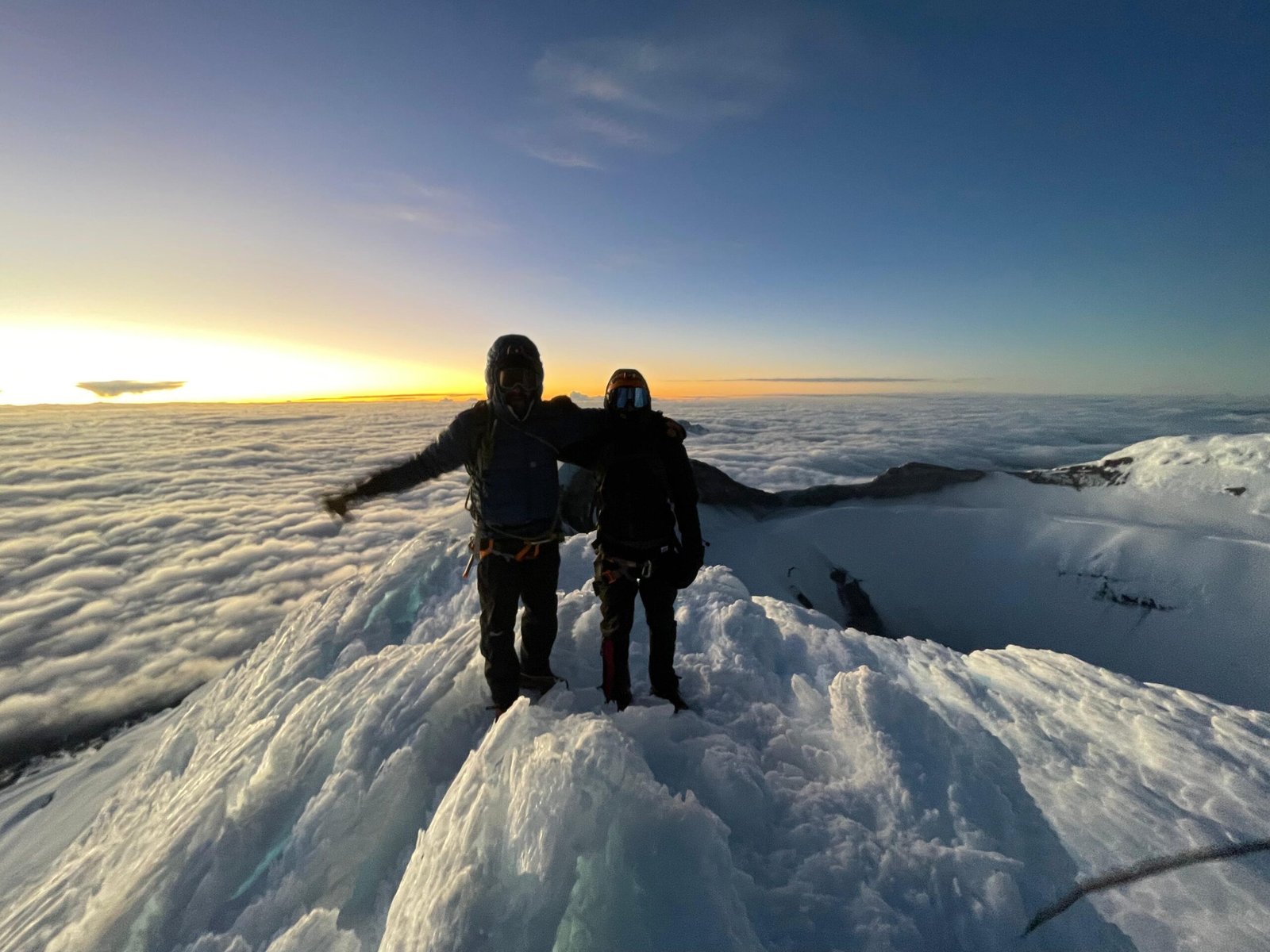
You will also summit Cotopaxi, one of the highest active volcanoes in the world, climbing through glaciers under a sky full of stars before witnessing a surreal sunrise above the Andes.
Starting from Quito, the expedition includes scenic acclimatization hikes, high altitude lodges, and guided climbs with professional mountaineering support.
This is a once in a lifetime expedition designed for those who want to go beyond trekking and step into real mountaineering. If you are looking to push your limits, stand on legendary summits, and be part of an elite group of climbers, this is your climb.
🏔 Closest Point on Earth to the Sun
Standing on Chimborazo is a truly unique achievement, its summit is the farthest point from the Earth’s center, making it the closest place on Earth to the sun, even beyond Everest in this sense.
🌋 Climb One of the World’s Highest Active Volcanoes
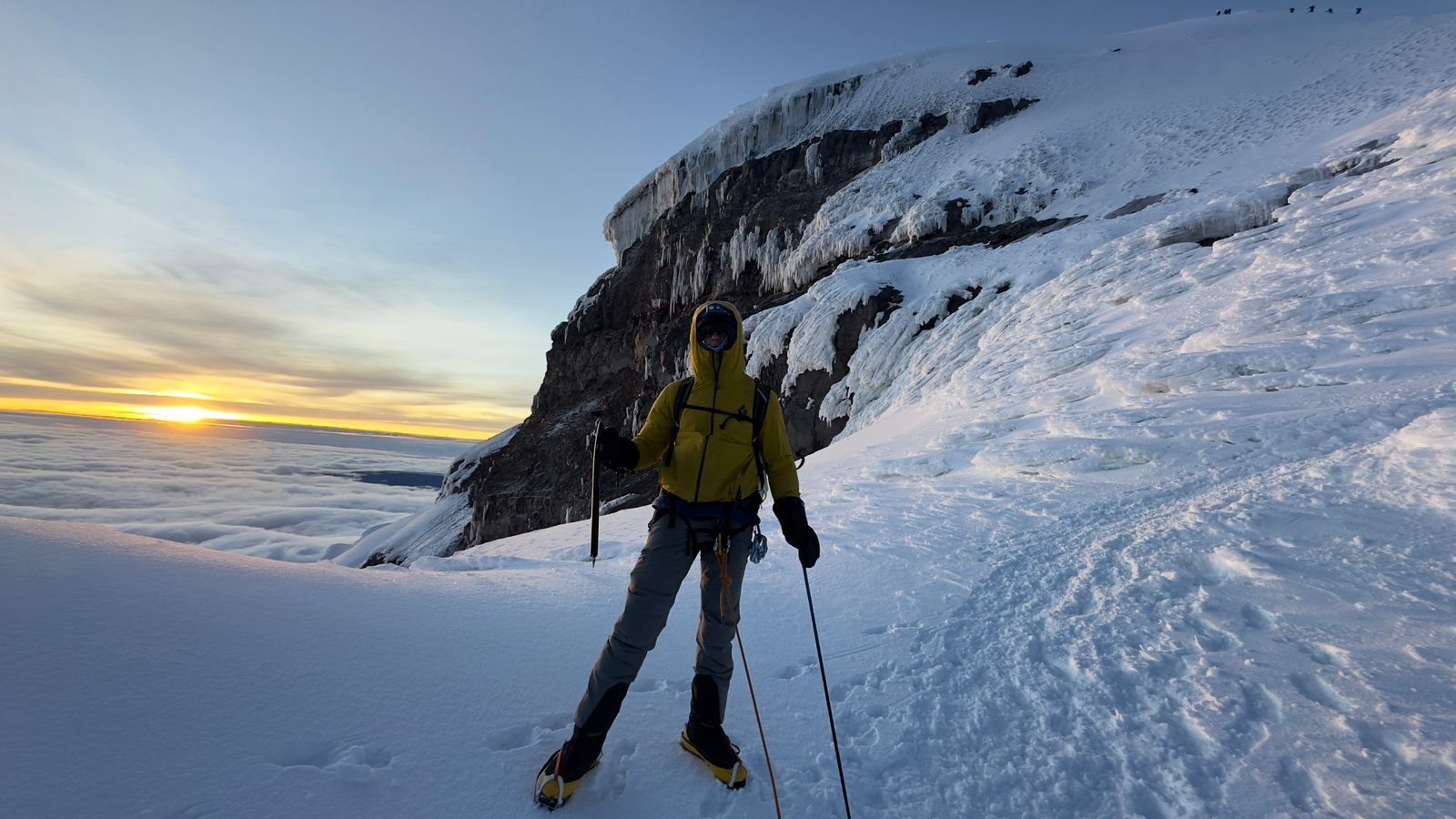
Cotopaxi offers an incredible glacier climb on a perfectly cone shaped volcano, combining volcanic terrain with snow and ice for a rare mountaineering experience.
❄️ Real Glacier and Ice Climbing Experience
This expedition takes you beyond trekking into true alpine climbing, using crampons and ice axe on glaciers under expert guidance.
🌄 Unreal Sunrise Above the Andes
After a midnight summit push, watch the sunrise illuminate endless peaks of the Andes, a surreal and powerful moment at extreme altitude.
🌌 High Altitude Night Climb Under the Stars
Climb through the night in silence under a sky full of stars, one of the most raw and unforgettable parts of the expedition.
🌏 Dramatic Andean Landscapes and Wildlife
From volcanic slopes to vast high altitude plains, experience the wild beauty of Ecuador’s national parks, home to unique Andean ecosystems and wildlife.
🔥 A True Mountaineering Milestone
Summiting both Cotopaxi and Chimborazo is a serious achievement, placing you among a small group of adventurers who have conquered two of South America’s most iconic peaks.
Day 1
Arrival in Quito (2,850 m)
Airport pickup and transfer to hotel. Rest and briefing for the expedition.
Day 2
Quito City Tour
Explore the historic Old Town, churches, and cultural landmarks. Easy day to start acclimatization.
Day 3
Acclimatization Hike to Rucu Pichincha (4,698 m)
Cable car ride to 4,000 m followed by a steady hike to the summit. Great preparation for higher climbs.
Day 4
Transfer to Cotopaxi National Park (3,800 m)
Move to lodge, rest and acclimatize with stunning volcano views.
Day 5
Trek to José Rivas Refuge (4,800 m)
Short hike from car park, gear check, early dinner and rest before summit push.
Day 6
Summit Cotopaxi (5,897 m)
Midnight start, climb through glacier to reach summit at sunrise. Descend and transfer towards Chimborazo region.
Day 7
Rest Day at Chimborazo Basecamp (4,000 m)
Full day for recovery and acclimatization before the final climb.
Day 8
Trek to High Camp (5,300 m)
Short but steep hike to high camp. Early dinner and rest.
Day 9
Summit Chimborazo (6,230 m to 6,310 m)
Midnight climb to reach the summit. Descend and transfer back to Quito. End of expedition.
Day 1 – Arrival Quito
Start / End Altitude: 2,850 m
Distance / Time / Elevation Gain: –
Notes: Airport pickup, transfer to hotel, rest
Day 2 – Quito Walking Tour
Start / End Altitude: 2,850 m
Distance: ~5 km | Time: 3–4 hrs | Elevation Gain: ~0 m
Notes: Explore Old Town, churches, plazas
Day 3 – Rucu Pichincha Acclimatization Hike
Start / End Altitude: 4,000 m → 4,698 m
Distance / Time: ~8 km / 5–7 hrs | Elevation Gain: +~700 m
Notes: Cable car start, acclimatization hike
Day 4 – Rest & Acclimatization
Start / End Altitude: 3,800 m
Distance / Time / Elevation Gain: –
Notes: Relax at Tambopaxi Lodge
Day 5 – Approach to José Rivas Refuge
Start / End Altitude: 4,600 m → 4,800 m
Distance / Time: ~1.5 km / 45 min–1 hr | Elevation Gain: +~200 m
Notes: Short hike to refuge, gear check
🌟 Day 6 – Cotopaxi Summit Climb
Start / End Altitude: 4,800 m → 5,897 m
Distance / Time: ~10 km round trip / 8–11 hrs | Elevation Gain: +~1,097 m
Notes: Summit push at midnight, descent to lodge, transfer to Chimborazo basecamp
Day 7 – Rest Day Chimborazo Basecamp
Start / End Altitude: 4,000 m
Distance / Time / Elevation Gain: –
Notes: Acclimatization and recovery
🌟 Day 8 – Hike to Chimborazo High Camp
Start / End Altitude: 4,800 m → 5,300 m
Distance / Time: ~2.5 km / 2–3 hrs | Elevation Gain: +~500 m
Notes: Prepare for summit night
🌟 Day 9 – Chimborazo Summit Push
Start / End Altitude: 5,300 m → 6,230–6,310 m
Distance / Time: ~8–9 km round trip / 9–12 hrs | Elevation Gain: +~930–1,010 m
Notes: Midnight start, reach Veintimilla/Whymper summit, return to basecamp
Day 10 – Departure / Optional Transfer
Start / End Altitude: 2,850 m
Distance / Time / Elevation Gain: –
Notes: Transfer back to Quito or Baños
Experienced trekkers & mountaineers – hikers with prior high-altitude experience who are comfortable using crampons, ice axes, and ropes
fit & adventurous travelers – anyone in good physical condition able to handle long days of trekking and summit pushes at 5,000–6,300 m
Altitude acclimatization enthusiasts – those wanting to challenge themselves on high climbs while gradually acclimatizing through smaller hikes like Rucu Pichincha
Nature lovers & photographers – stunning high-altitude landscapes, volcanoes, glaciers, and Andean wildlife perfect for photography or exploration
Those seeking a guided expedition – people who prefer organized logistics, expert guidance, and safety support during multi-day climbs
✅ What’s Included
Airport pick-up and drop-off in Quito
2 nights in Quito Basecamp Hotel (shared or private rooms)
Walking tour of Quito Old Town with a local guide
Guided acclimatization hike to Rucu Pichincha
1 night in Tambopaxi Lodge (shared room)
1 night in José Rivas Refuge
2 nights in Chimborazo Basecamp Lodge
1 night in High Camp Dome (Chimborazo)
Private transport throughout the expedition
ASEGUIM-certified mountain guides (1:2 ratio for summit climbs)
Park entry fees for Cotopaxi and Chimborazo
All meals during summit days (Days 5–6 and 8–9)
Use of shared technical gear (ropes, group gear, stove)
Safety equipment (first aid, GPS, radio communication, oxygen available)
24/7 expedition support and logistics
Adventure insurance
⚠️ What’s Not Included
International flights to and from Ecuador
Meals not specified (Quito dinners/lunches)
Personal climbing gear
Travel and mountain rescue insurance (mandatory for participation)
Tips and gratuities for guides and staff
Optional tours or activities in Baños or Quito
What to Pack
- ☑ Base layers: thermal tops & bottoms
- ☑ Insulating mid-layers: fleece or down jacket
- ☑ Waterproof & windproof outer shell: jacket and pants
- ☑ Hiking pants: lightweight & quick-dry
- ☑ Shorts or trekking pants for lower-altitude hikes
- ☑ Warm hat / beanie
- ☑ Sun hat / cap
- ☑ Neck gaiter / buff
- ☑ Gloves: light liner + insulated + waterproof shell
- ☑ Socks: trekking socks + warm socks for high camp
- ☑ Mountaineering boots (stiff, crampon-compatible)
- ☑ Hiking shoes / trail runners for acclimatization hikes
- ☑ Camp shoes or sandals
- ☑ Crampons, ice axe, harness, helmet (rental available)
- ☑ Trekking poles
- ☑ Sunglasses: UV 400+ / glacier-rated
- ☑ Sunscreen SPF 50+
- ☑ Lip balm with SPF
- ☑ Backpack: 30–40 L daypack
- ☑ Sleeping bag: rated for -10°C / 14°F
- ☑ Headlamp + extra batteries
- ☑ Water bottles / hydration system: 2–3 L total
- ☑ Snacks: energy bars, nuts, chocolate
- ☑ Personal toiletries: toothbrush, toothpaste, soap
- ☑ Quick-dry towel
- ☑ Small first aid kit: blister pads, painkillers, personal meds
- ☑ Camera / GoPro / phone + charger & power bank
- ☑ Notebook / pen
- ☑ Lightweight binoculars
- ☑ Entertainment for lodge/rest days: book, cards
Tip: Layering is crucial. Nights are very cold, days may be sunny. Avoid cotton at altitude; moisture-wicking materials are better. Pack light but stay safe & warm.
🛡️ Safety Standards & What We Follow
• Licensed Guides & Local Support – All guides are certified and experienced with trails, ensuring safe trekking
• Official Trail Compliance – Trekkers stay on marked paths; campsites and rest stops follow local regulations
• Emergency Preparedness – Guides carry first aid kits, monitor group health, and have communication plans in place
• Gear & Weather Awareness – Proper trekking shoes, clothing, and trekking in suitable conditions keep you safe and comfortable
• Responsible Trekking – “Carry-in, carry-out” rules prevent hazards and protect the environment
🏔️ Why Trekking With Us
• Trusted Planning & Support – We handle all transport, meals, and logistics for a smooth trek experience
• Clear Guidance – Pre-trek briefing, on-trail instructions, and tips to prepare for the hike
• High Safety & Quality Standards – We follow local safety protocols and ensure every trek meets professional standards
• Your Adventure Partner from Singapore – Organized by TehSeekers Adventures, providing reliability and local insight
• Peace of Mind – One point of contact from start to finish, keeping you informed, safe, and comfortable
❓ Cotopaxi & Chimborazo Expedition – FAQs
What is the biggest challenge on these climbs?
Altitude is the main challenge. Even fit climbers can experience breathlessness or altitude sickness above 5,000 m, so proper acclimatization is essential.
Do I need a guide or permit?
Yes, accredited mountain guides are required for both Cotopaxi and Chimborazo. Independent climbing without permits and guides is not allowed.
When is the best season to climb?
The most stable weather is usually June–August and December–February, though conditions can change quickly at high altitudes.
How technically difficult are these climbs?
Cotopaxi’s normal route involves moderate glacier travel. Chimborazo is longer and physically more demanding with glacier travel skills required.
Is previous mountaineering experience required?
Not strictly, as guides teach glacier travel and rope techniques, but good fitness and comfort with crampons and ice axe are strongly recommended.
How long do summit pushes take?
Summit pushes usually start around midnight and take 8–12 hours depending on weather, acclimatization, and physical condition.
Can altitude sickness be prevented?
Gradual acclimatization, proper hydration, rest, and sometimes medication like Diamox help, but symptoms can still occur at high altitudes.
Are the routes marked?
Standard routes are used by guides but are not marked trails. Traveling in rope teams with experienced guides is essential for safety.
What weather should I expect?
High-altitude temperatures can be well below freezing, even during daytime. Wind chill, snow, and sudden weather changes are common, so proper gear is essential.
Can I rent technical gear in Ecuador?
Yes, crampons, ice axes, helmets, and harnesses can typically be rented in Quito or nearby climbing hubs.