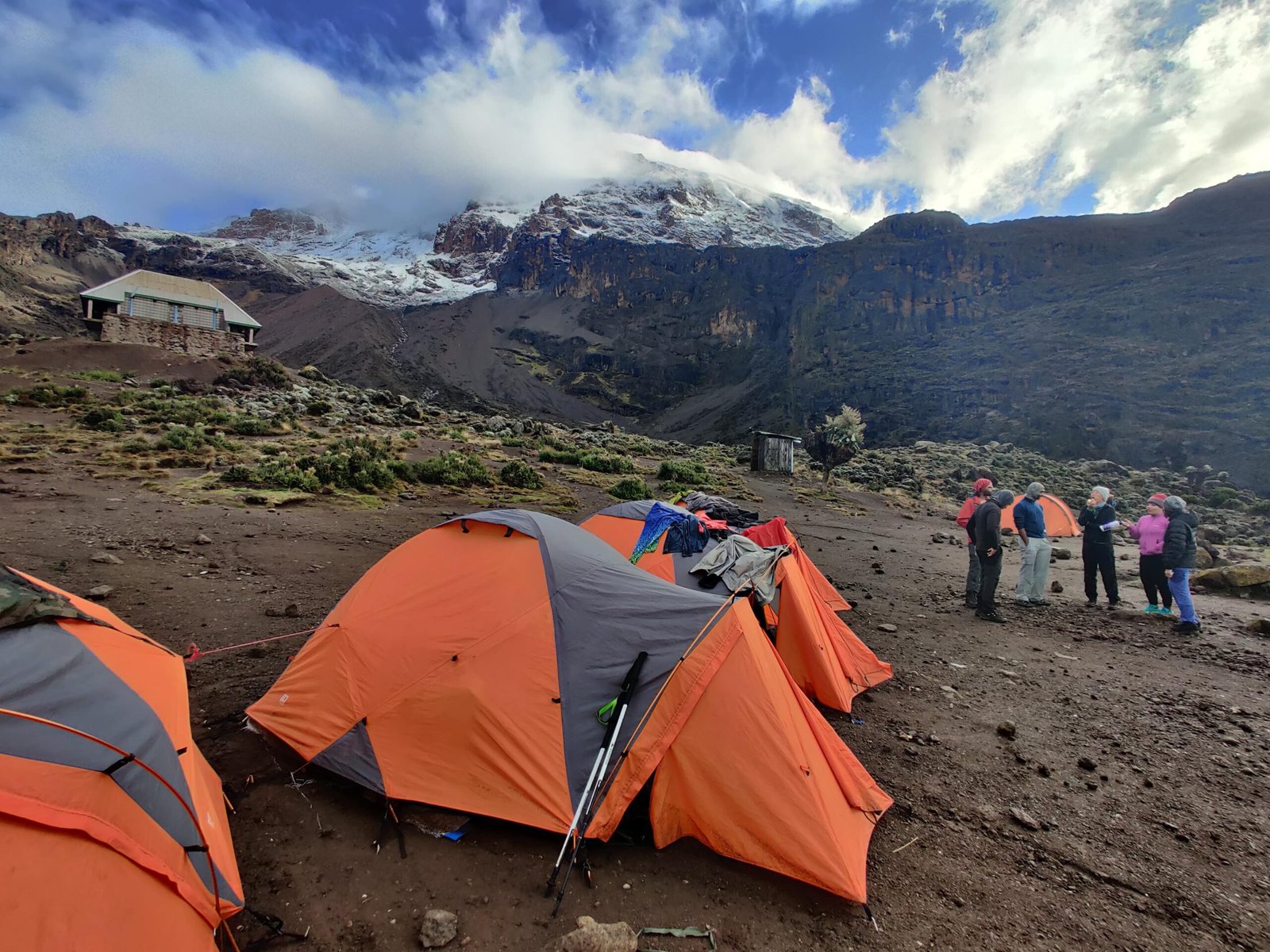
Mount Kilimanjaro

Mount Kilimanjaro

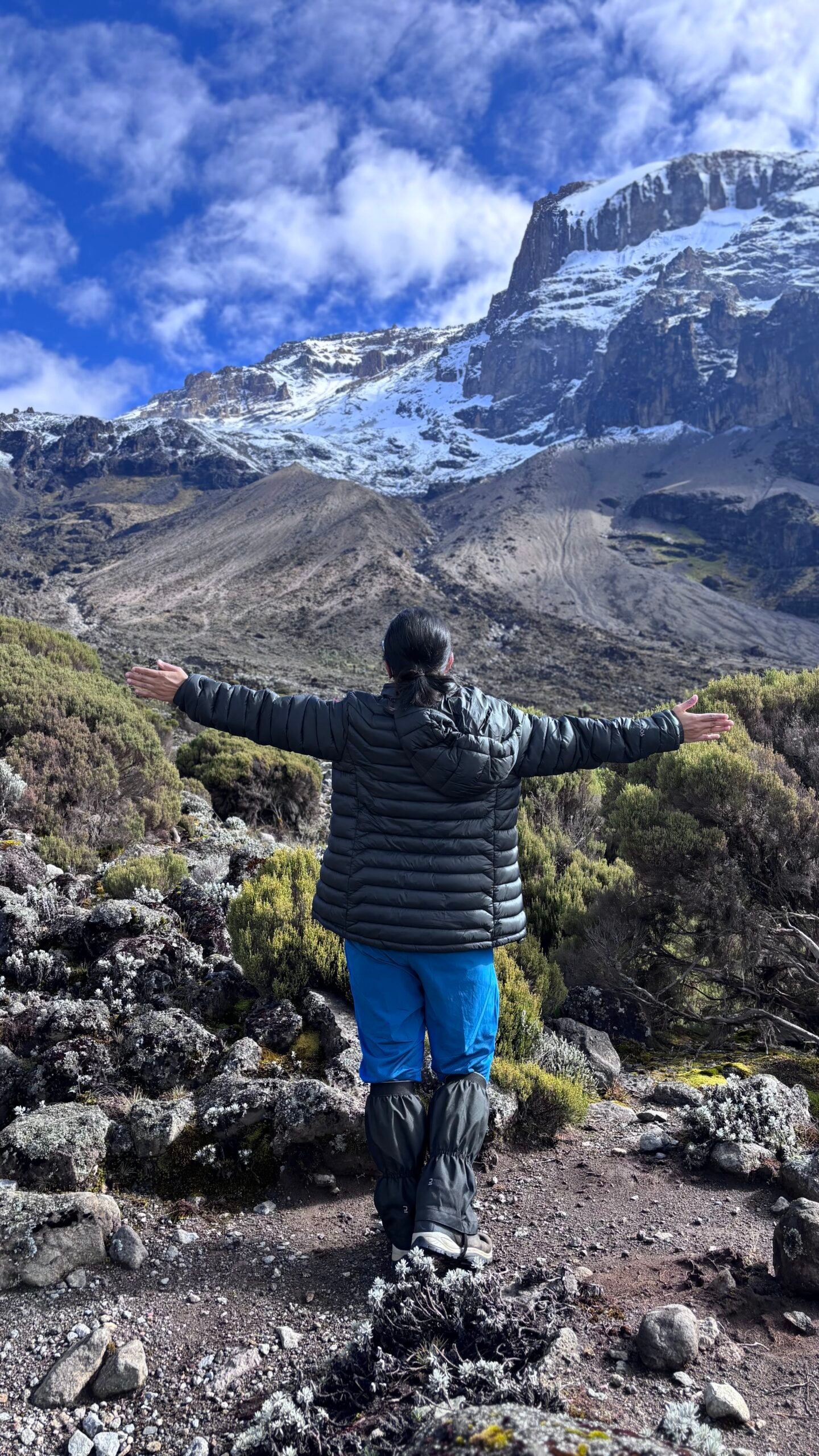
Set your sights on the legendary peak of Africa, the iconic Mount Kilimanjaro, via the famous Machame Route. This is more than a trek, it is a journey through shifting worlds, from tropical rainforest to alpine desert and finally into the surreal high altitude glacier zone.

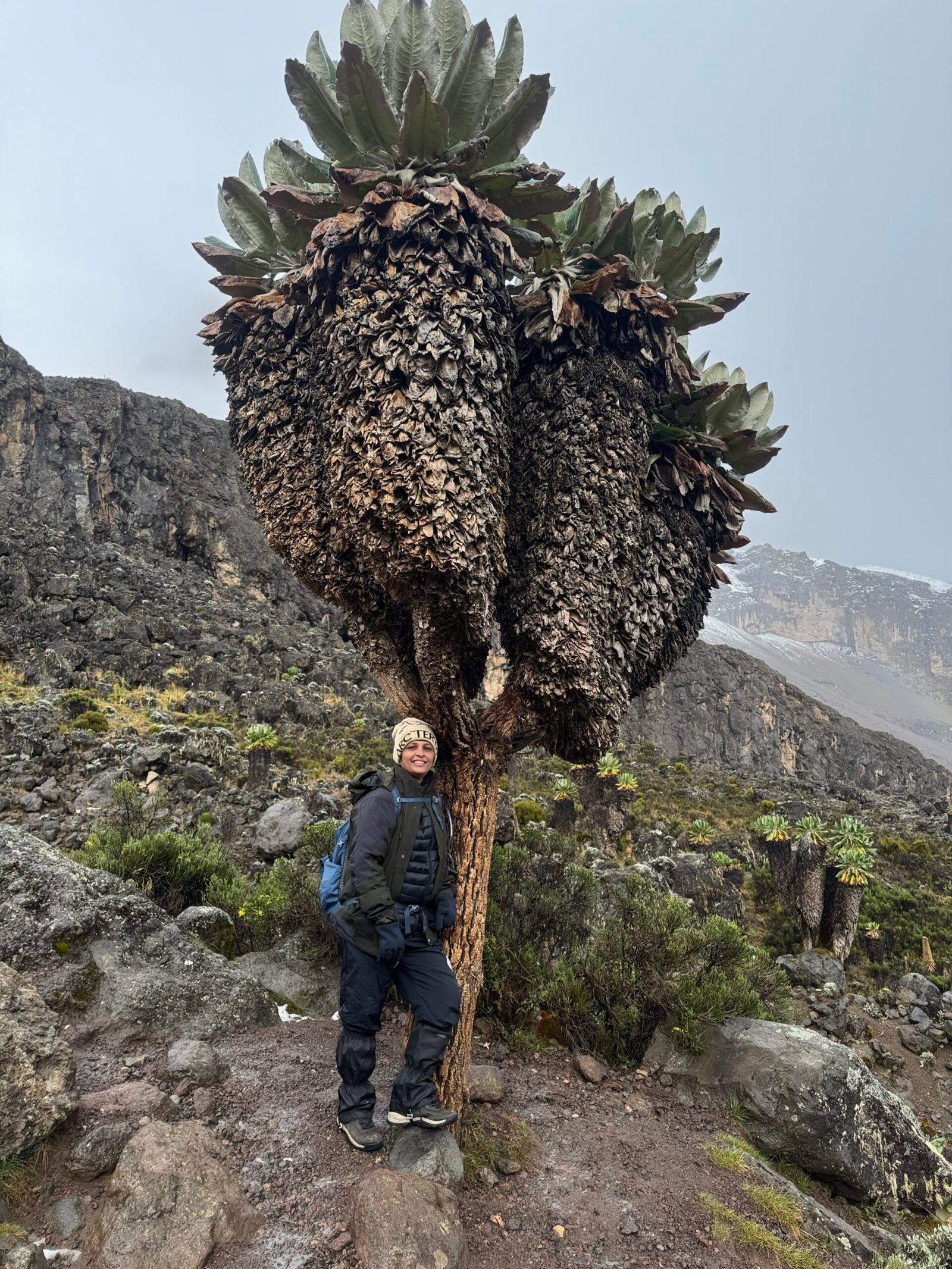
Each day on the mountain feels like stepping into a new planet. You begin in lush green forest filled with wildlife sounds, move through open moorlands with giant groundsels, and gradually climb into dramatic volcanic landscapes above the clouds.

The Machame Route is known for its scenic beauty and strong acclimatisation profile, giving you time to adapt, absorb the surroundings, and truly experience the mountain rather than rush it. Every step brings you closer to the highest point in Africa.

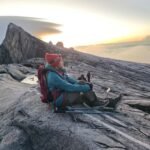
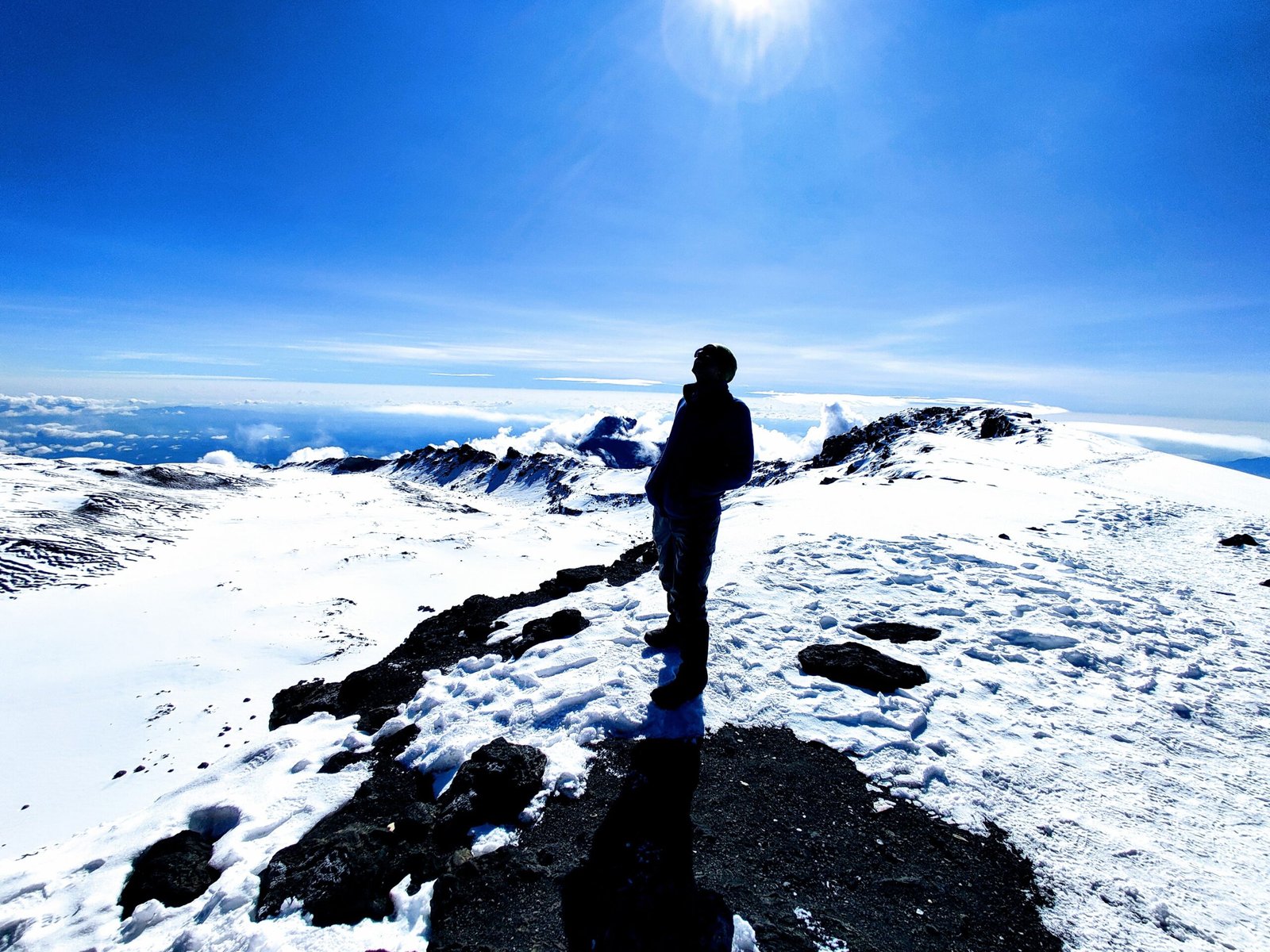
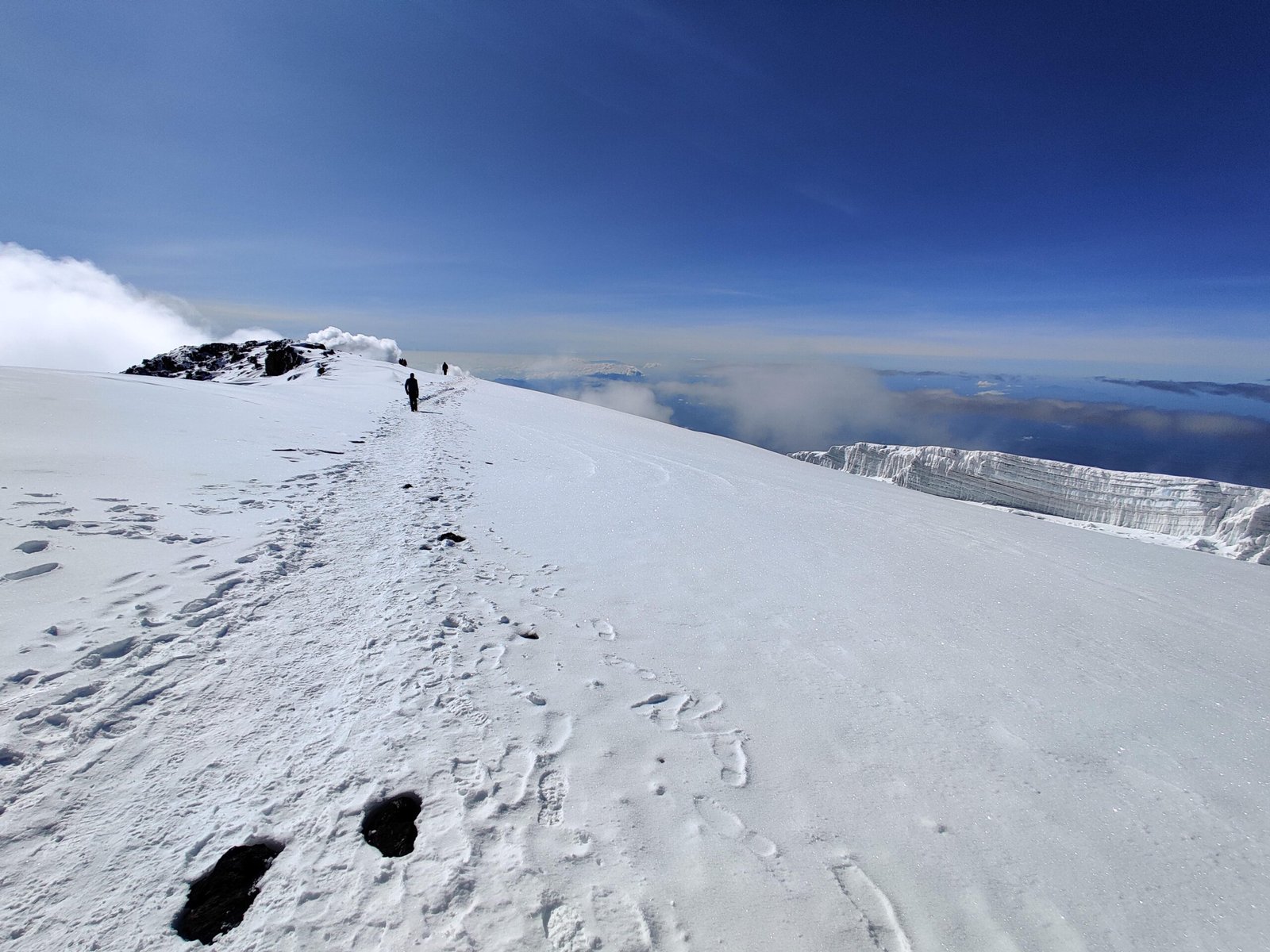
At the summit, Uhuru Peak, you stand above the clouds at sunrise, surrounded by silence, light, and endless horizons. It is one of the most powerful and emotional moments in any trek.

This is a challenge built for determination, mental strength, and the love of true adventure. It is not just about reaching the top, it is about everything you become on the way up.

The journey in pictures

• Iconic summit experience
Reach Uhuru Peak, the highest point in Africa, and stand above the clouds at sunrise

• Scenic Machame Route
The Machame Route is one of the most beautiful trails, with dramatic landscapes from rainforest to glaciers

• Perfect acclimatisation profile
A steady ascent that helps your body adjust better, improving summit success chances

• Five climate zones in one journey
Trek through rainforest, moorland, alpine desert, and Arctic like summit conditions in a single expedition

• Strong sense of achievement
A physically and mentally rewarding climb that pushes limits and builds confidence

• Unforgettable sunrise summit push
The final night ascent under stars into a golden sunrise over Africa is a lifetime memory

• Guided full support expedition
Experienced guides, porters, and structured itinerary so you can focus fully on the climb and experience

Day 1

Machame Gate to Machame Camp (1790 m → 3010 m)
• Drive to Machame Gate after breakfast and complete park formalities
• Begin trek through lush rainforest filled with dense vegetation and wildlife
• Spot colobus monkeys and giant ferns along the trail
• Trek duration approx 5 to 6 hours
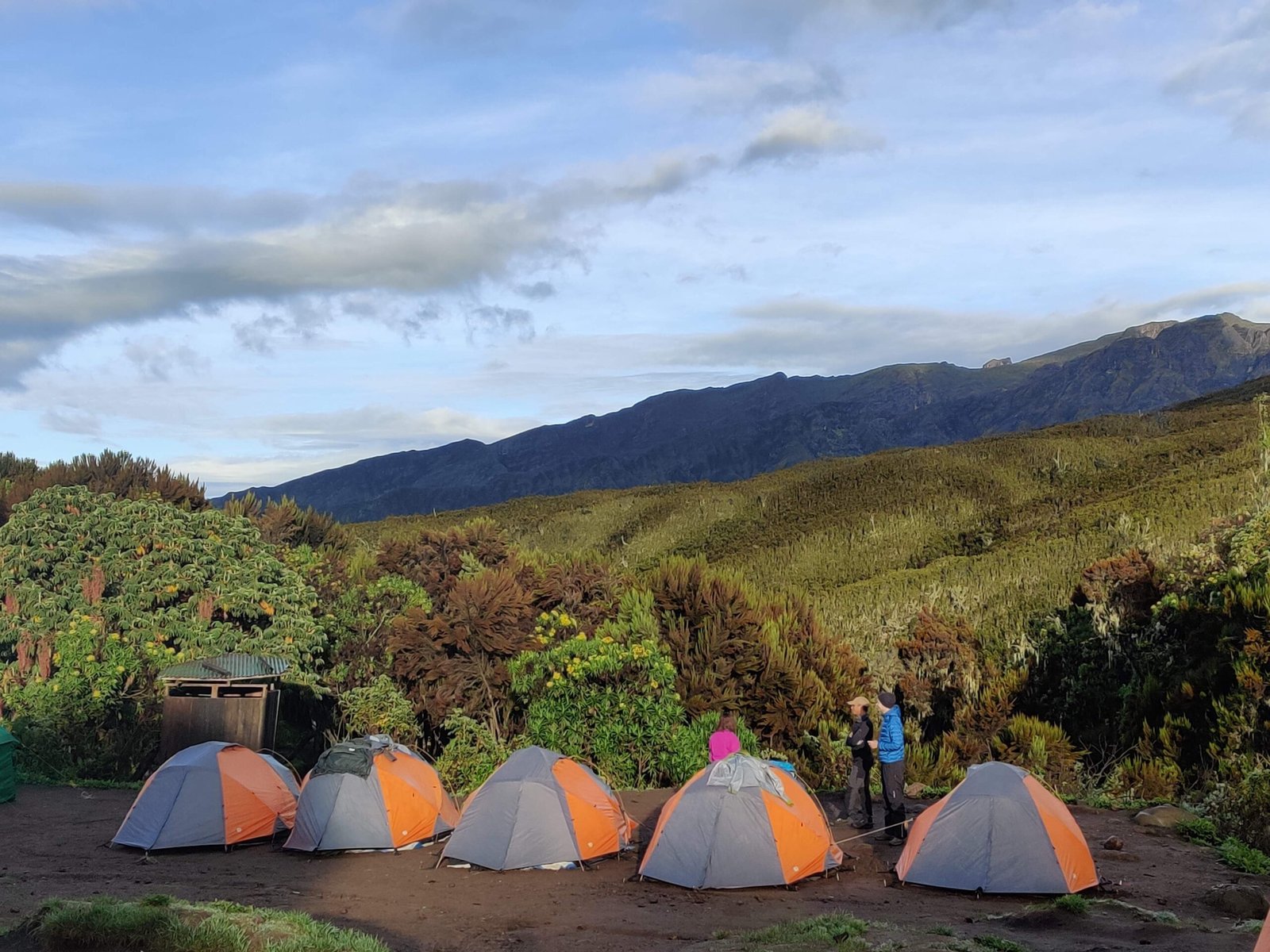
• Arrive at Machame Camp for overnight stay


Day 2

Machame Camp to Shira Camp (3010 m → 3845 m)
• Start hike through changing terrain from rainforest to moorland
• Gradual ascent onto the stunning Shira Plateau
• Wide views open up with sight of Kibo peak in the distance
• Shorter trekking day with relaxed pace
• Arrive at Shira Camp by mid afternoon


Day 3

Shira Camp to Lava Tower to Barranco Camp (3845 m → 4640 m → 3960 m)
• Ascend steadily towards Lava Tower for acclimatisation stop
• Experience the “walk high, sleep low” strategy for better adaptation
• Continue descent into Barranco Valley after lunch
• Trek through alpine desert landscapes and dramatic terrain
• Total hiking time approx 6 to 7 hours
• Overnight at Barranco Camp beneath the iconic Barranco Wall


Day 4

Barranco Camp to Karanga Camp (3960 m → 4035 m)
• Tackle the famous Barranco Wall with a fun scramble section
• Continue across ridges and valleys with glacier views of Kibo
• Moderate and scenic trekking day
• Trek duration approx 3 to 4 hours
• Arrive early at Karanga Camp for rest and recovery


Day 5

Karanga Camp to Barafu Camp (4035 m → 4640 m)
• Hike across barren alpine desert terrain
• Gradual climb towards high altitude base camp
• Reach Barafu Camp for early dinner and summit preparation
• Surreal moonlike landscape and strong summit anticipation
• Trek duration approx 3 to 4 hours


Day 6

Summit Day: Barafu Camp to Uhuru Peak to Mweka Camp (4640 m → 5895 m → 3080 m)
• Start around midnight for summit push under stars
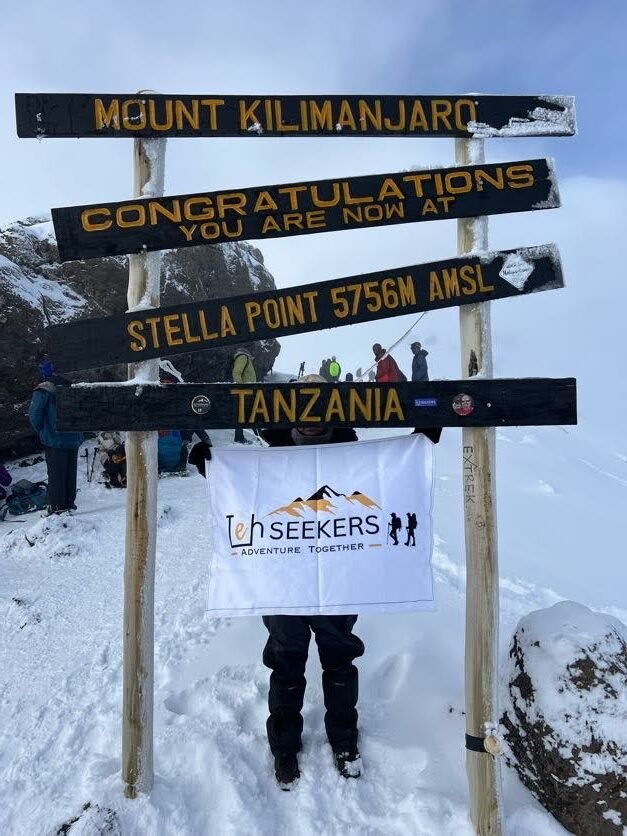
• Reach Stella Point after 5 to 7 hours of ascent
• Continue to Uhuru Peak, the highest point in Africa
• Witness sunrise above the clouds at 5895 m
• Descend back to Barafu Camp for rest
• Continue further descent to Mweka Camp for overnight stay


Day 7

Mweka Camp to Mweka Gate and Return
• Final descent through lush rainforest for 2 to 3 hours
• Reach Mweka Gate and complete exit formalities
• Farewell ceremony with mountain crew
• Transfer to lodge for shower, rest, and certificate handover

Machame Route | Kilimanjaro Expedition

Day 1 | Feb 15

Machame Gate to Machame Camp
Elevation: 1790 m → 3010 m
Distance: ~11 km
Trek time: ~5 to 6 hours
Rainforest trail with dense greenery, giant ferns, and chances to spot colobus monkeys


Day 2 | Feb 16

Machame Camp to Shira Camp
Elevation: 3010 m → 3845 m
Distance: ~5 to 7 km
Trek time: ~4 to 5 hours
Gradual ascent into moorland terrain with open views of the mountain and surrounding valleys


Day 3 | Feb 17

Shira Camp to Lava Tower to Barranco Camp
Elevation: 3845 m → 4640 m → 3960 m
Distance: ~10 to 12 km
Trek time: ~6 to 7 hours
Acclimatisation day with “walk high sleep low” strategy, crossing alpine desert landscapes and Lava Tower before descending into Barranco Valley


Day 4 | Feb 18

Barranco Camp to Karanga Camp
Elevation: 3960 m → 4035 m
Distance: ~5 km
Trek time: ~3 to 4 hours
Climb the famous Barranco Wall and continue across scenic ridges with views of Kibo peak


Day 5 | Feb 19

Karanga Camp to Barafu Camp
Elevation: 4035 m → 4640 m
Distance: ~4 to 6 km
Trek time: ~3 to 4 hours
Alpine desert terrain leading to high camp, final rest and summit preparation


Day 6 | Feb 20

Barafu Camp to Uhuru Peak to Mweka Camp
Elevation: 4640 m → 5895 m → 3080 m
Distance: ~17 to 20 km
Trek time: ~12 to 15 hours
Midnight summit push under stars, sunrise at Uhuru Peak, followed by long descent to Mweka Camp


Day 7 | Feb 21

Mweka Camp to Mweka Gate to Lodge
Elevation: 3080 m → 1630 m → ~900 m
Distance: ~10 to 12 km
Trek time: ~3 to 4 hours
Final rainforest descent, celebration with crew, certificate handover, and transfer to lodge

• First time high altitude trekkers with strong mindset
Ideal for people who want their first big mountain experience and are ready to push beyond comfort zones

• Fit beginners with some hiking experience
You don’t need technical climbing skills, but you should be comfortable with long walking days and steady ascents

• Adventure seekers looking for a life goal challenge
Perfect for those who want more than a holiday, something meaningful, demanding, and unforgettable

• Mentally strong and determined individuals
The climb is more about consistency and mindset than speed, patience plays a big role in success

• Regular hikers who do weekend treks or fitness activities
If you already hike, trek, or stay active, this will feel like a natural step up in challenge

• People preparing for bigger peaks in future
A great training and experience mountain for those planning expeditions like Himalayas or other high altitude climbs

• Not suitable for those looking for luxury travel
This is a wilderness expedition with basic mountain camps, simple food, and changing weather conditions

✅ What’s Included

  • Park Fees & VAT: All Kilimanjaro National Park entry and camping fees, including VAT.
  • Transfers: Round-trip transportation from Moshi to the trailheads (Machame Gate and Mweka Gate).
  • Guides & Crew:
    • Professional English-speaking mountain guides.
    • Porters to carry personal gear and camping equipment (15kgs per pax).
    • Cooks and kitchen staff.
  • Accommodation:
    • Overnight camping fees at designated campsites on the mountain.
    • Two nights’ accommodation in a hotel in Moshi (bed and breakfast) before and after the trek.
  • Meals: All meals during the trek (breakfast, lunch, and dinner).
  • Camping Equipment:
    • Tents, sleeping mats, tables, and chairs.
    • Cooking equipment and utensils.
    • Emergency oxygen and first aid kits.
  • Summit Certificate: Upon successful summit, a certificate is awarded.


❌ What’s Excluded

  • International & Domestic Flights: Flights to and from Tanzania are not included.
  • Visa Fees: Visa costs for entering Tanzania.
  • Personal Gear: Items such as sleeping bags, trekking poles, and personal clothing.
  • Personal Expenses:
    • Tips for guides, porters, and crew.
    • Personal snacks and drinks.
    • Souvenirs and other personal purchases.
  • Travel Insurance: Comprehensive travel insurance covering medical evacuation and trip cancellation.

🎒 What to Pack for Kilimanjaro Hike

Backpack (30 to 40L) for daily essentials during trek
Duffle bag (waterproof preferred) for porter transport
Hiking boots (well broken in) with good ankle support
Warm down jacket for summit night and cold camps
Fleece or thermal mid layers for insulation
Base layers (2 to 3 sets) moisture wicking tops and bottoms
Waterproof jacket and pants for rain and wind protection
Hiking pants (2 to 3 pairs) quick dry preferred
T shirts (quick dry) for layering during day hikes
Warm gloves (inner and outer pair) for summit push
Beanie and sun hat for cold and sun protection
Thick hiking socks (4 to 6 pairs) plus liner socks if needed
Headlamp with extra batteries essential for night summit climb
Trekking poles for stability on steep and rocky sections
Sleeping bag (rated -10°C to -20°C) for cold nights
Sunglasses (UV protection) for high altitude glare
Water bottles or hydration system (2 to 3L capacity)
Sunscreen and lip balm high SPF for strong sun exposure
Personal medications and basic first aid kit
Snacks or energy bars for quick energy on trail
Toiletries (minimal and travel size) including wet wipes and hand sanitizer
Power bank and charging cables for devices
Passport and travel documents in waterproof pouch

🛡️ Safety Standards & What We Follow 

Licensed Guides & Local Support – All guides are certified and experienced with trails, ensuring safe trekking
Official Trail Compliance – Trekkers stay on marked paths; campsites and rest stops follow local regulations
Emergency Preparedness – Guides carry first aid kits, monitor group health, and have communication plans in place
Gear & Weather Awareness – Proper trekking shoes, clothing, and trekking in suitable conditions keep you safe and comfortable
Responsible Trekking – “Carry-in, carry-out” rules prevent hazards and protect the environment

🏔️ Why Trekking With Us 

Trusted Planning & Support – We handle all transport, meals, and logistics for a smooth trek experience
Clear Guidance – Pre-trek briefing, on-trail instructions, and tips to prepare for the hike
High Safety & Quality Standards – We follow local safety protocols and ensure every trek meets professional standards
Your Adventure Partner from Singapore – Organized by Tehseekers Adventures, providing reliability and local insight
Peace of Mind – One point of contact from start to finish, keeping you informed, safe, and comfortable

Kilimanjaro Machame Route FAQ

What is the difficulty level of this climb?

This is a challenging high altitude trek. No technical climbing is needed, but endurance, mental strength, and slow steady pacing are very important due to altitude.

Do I need prior trekking experience?

Not mandatory, but having experience in long hikes or multi day treks will make the journey much more comfortable and increase summit success chances.

How fit do I need to be for this trek?

You should be able to walk for 5 to 10 hours a day on consecutive days. Regular cardio, hiking, or endurance training before the climb is strongly recommended.

What is the biggest challenge on this climb?

Altitude is the main challenge, not distance. Summit night is long, cold, and slow, but the pace and acclimatisation plan help manage it.

Is altitude sickness a concern?

Yes, it can affect anyone. The itinerary is designed with acclimatisation days like Shira and Barranco to reduce risk.

What type of accommodation is provided?

You will stay in mountain tents at designated campsites. Facilities are basic, with shared dining tents and simple camping setup throughout the route.

Is food and water provided during the trek?

Yes, meals are provided by the expedition team. Drinking water is supplied and treated, with refills available at camps.

What is the success rate of this route?

The Machame Route has one of the higher summit success rates due to better acclimatisation, especially when paced correctly.

What weather conditions should I expect?

Expect a wide range from warm rainforest conditions at the base to freezing temperatures and wind near the summit.

Do I need special permits or guides?

Yes, all climbers must be accompanied by licensed guides and permits are included as part of the expedition package.

What is the best time to climb Kilimanjaro?

The best seasons are generally January to March and June to October for clearer skies and more stable weather conditions.

Starting from

$ 2,096.00

By signing up, you confirm that you have read and agree to the Terms and Conditions, Privacy Policy, and Medical Declaration.

Tehseekers

Looking for a private tour, another date, or a fully custom trip, just let us know.